
Expert Support for Seamless Building and Development Success
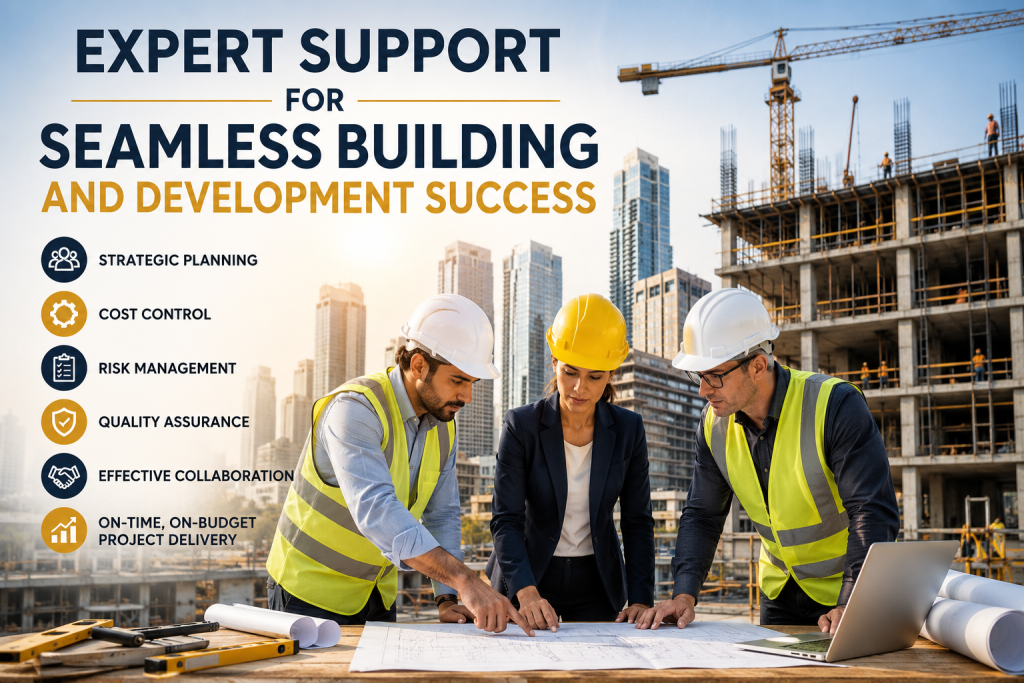
The construction and development industry is one of the most dynamic and complex sectors in today’s economy. Whether it involves residential neighborhoods, commercial buildings, industrial facilities, or mixed-use developments, every project requires careful planning, coordination, and execution. Without the right guidance, even small challenges can quickly turn into costly delays, compliance issues, or budget overruns. This is where expert support becomes essential for seamless building and development success.
From the initial planning phase to project completion, experienced construction professionals play a critical role in ensuring projects move forward efficiently and effectively. Their expertise helps developers, property owners, contractors, and investors make informed decisions while maintaining quality, safety, and long-term value.
The Importance of Professional Guidance in Construction
Construction projects involve multiple moving parts, including design, engineering, budgeting, scheduling, permits, procurement, and on-site management. Managing all these aspects without professional support can become overwhelming, especially for large-scale developments.
Expert consultants and project managers bring industry knowledge and technical skills that help streamline the entire process. Their experience allows them to identify potential problems early, minimize risks, and create practical solutions before issues escalate.
Professional guidance also helps maintain clear communication between all stakeholders involved in the project. Architects, engineers, contractors, suppliers, and property owners must work together smoothly to ensure successful outcomes. Skilled consultants act as the bridge between these parties, helping everyone stay aligned with the project’s goals and timeline.
Strategic Planning for Successful Development
Every successful project begins with a strong foundation of planning. Before construction even starts, developers must evaluate factors such as land suitability, zoning regulations, environmental considerations, infrastructure requirements, and budget feasibility.
Construction experts conduct thorough assessments to determine whether a project is viable and financially sustainable. Their planning process helps clients understand potential costs, timelines, and risks associated with the development.
Strategic planning also improves resource allocation. By organizing labor, materials, equipment, and schedules efficiently, professionals can reduce waste and prevent unnecessary expenses. Proper planning creates a smoother workflow that keeps projects on track from beginning to end.
Additionally, consultants help clients establish realistic expectations. They provide accurate projections and practical recommendations that allow developers to make confident decisions throughout the project lifecycle.
Budget Management and Cost Control
One of the biggest challenges in construction is staying within budget. Unexpected expenses, material price fluctuations, labor shortages, and design changes can quickly increase project costs if not properly managed.
Experienced construction professionals help control costs through accurate budgeting and financial planning. They analyze project requirements, prepare detailed estimates, and monitor spending throughout each phase of development.
Cost management involves more than simply reducing expenses. The goal is to maximize value while maintaining quality and safety standards. Skilled consultants identify cost-effective solutions without compromising the integrity of the project.
For example, they may recommend alternative building materials, improved construction methods, or efficient scheduling techniques that reduce labor costs and improve productivity. Their oversight ensures that clients receive the best return on investment while avoiding unnecessary financial risks.
Navigating Permits and Regulations
Construction projects must comply with numerous local, state, and federal regulations. Permits, inspections, environmental standards, and safety requirements can create delays if not handled properly.
Expert support is invaluable when navigating these complex regulatory processes. Construction consultants understand building codes, zoning laws, and compliance requirements, helping clients avoid legal complications and costly penalties.
Professionals work closely with local authorities and regulatory agencies to ensure all approvals and documentation are completed accurately and on time. Their knowledge speeds up the permitting process and reduces the likelihood of project interruptions.
Staying compliant also enhances safety and protects the long-term value of the property. Proper adherence to regulations ensures that buildings meet structural standards and operate efficiently for years to come.
Enhancing Project Efficiency and Productivity
Efficiency is essential in the construction industry. Delays can impact budgets, disrupt schedules, and reduce profitability. Construction experts help improve productivity by implementing effective management systems and streamlined workflows.
Project managers coordinate daily operations, monitor progress, and address issues quickly to keep development moving forward. Their organizational skills help ensure that contractors, suppliers, and subcontractors remain on schedule.
Technology also plays an increasingly important role in modern construction management. Many consultants use advanced software tools for scheduling, budgeting, communication, and project tracking. These digital solutions improve accuracy, transparency, and collaboration across all project stages.
With expert oversight, construction teams can work more efficiently, avoid unnecessary downtime, and maintain consistent progress toward project completion.
Risk Management and Problem Solving
Every construction project carries risks. Weather delays, supply chain disruptions, labor shortages, site conditions, and unexpected structural issues can create major obstacles during development.
Experienced professionals are trained to anticipate challenges and develop contingency plans before problems occur. Their proactive approach reduces uncertainty and helps projects continue running smoothly even when unexpected situations arise.
Risk management includes conducting site evaluations, safety inspections, and quality control assessments. Consultants also help identify contractual risks, financial concerns, and operational vulnerabilities that could impact project success.
When issues do occur, expert problem-solving skills become critical. Construction consultants can quickly assess situations, coordinate solutions, and minimize disruptions to the schedule and budget.
Their ability to adapt and respond efficiently helps clients maintain confidence throughout the development process.
Supporting Sustainable and Future-Ready Development
Sustainability has become a major focus in modern construction and urban development. Property owners and developers are increasingly looking for environmentally responsible solutions that reduce energy consumption and improve long-term efficiency.
Construction experts help integrate sustainable practices into building projects through smart design recommendations, energy-efficient systems, and eco-friendly materials.
Green building strategies can provide numerous benefits, including lower operational costs, improved occupant comfort, and increased property value. Sustainable developments also contribute positively to communities by reducing environmental impact and promoting healthier living environments.
In addition to sustainability, experts help create future-ready developments that can adapt to changing market needs and technological advancements. Their forward-thinking approach ensures that buildings remain functional, competitive, and valuable over time.
Improving Communication and Collaboration
Successful construction projects depend heavily on communication. Misunderstandings between stakeholders can lead to delays, rework, and increased costs.
Construction consultants improve collaboration by establishing clear communication channels and organized reporting systems. They ensure that everyone involved in the project remains informed about progress, expectations, and responsibilities.
Regular meetings, progress updates, and transparent documentation help prevent confusion and support faster decision-making. Strong communication also builds trust between clients, contractors, and project teams.
When all parties work together effectively, projects are completed more smoothly and with greater overall satisfaction.
Delivering Long-Term Value
The ultimate goal of any construction or development project is to create lasting value. Beyond completing the project on time and within budget, successful developments should provide durability, functionality, and financial returns for years to come.
Expert support helps ensure that every aspect of the project contributes to long-term success. From material selection and design efficiency to quality assurance and maintenance planning, experienced professionals focus on creating developments that stand the test of time.
Well-managed projects often experience fewer operational issues, lower maintenance costs, and higher market appeal. This long-term perspective benefits property owners, investors, businesses, and communities alike.
Conclusion
Construction and development projects require far more than technical labor and building materials. They demand strategic planning, financial oversight, regulatory knowledge, effective communication, and strong leadership. Without expert support, even promising projects can face delays, complications, and costly setbacks.
Professional construction consultants and project managers provide the guidance needed to navigate every stage of development successfully. Their expertise helps improve efficiency, reduce risks, control costs, and ensure high-quality outcomes.
As the construction industry continues to evolve, the value of experienced support becomes even more important. Whether developing residential communities, commercial spaces, or large-scale infrastructure projects, expert guidance remains the key to seamless building and development success.