
Building Tomorrow on Historic Ground: How a Fast-Growing City Is Reshaping Its Skyline
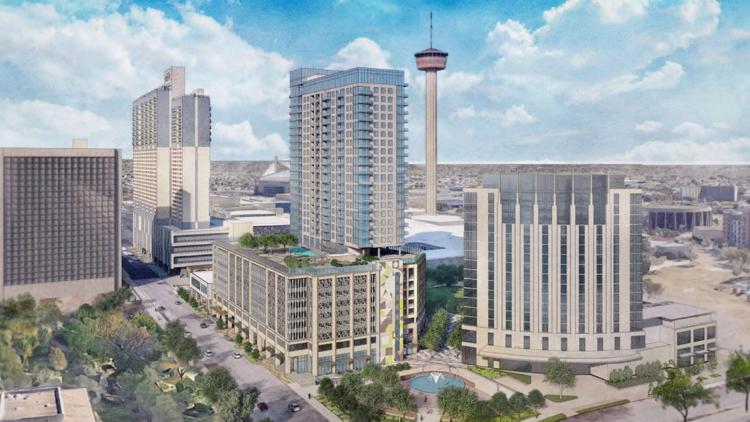
Some cities grow by accident. Others grow by design. San Antonio is trying to do both at once, and that makes its real estate story more interesting than most. It is a city with centuries of history, a strong cultural identity and a rapidly expanding population, and the choices being made now about where to build, what to build and who it will serve will shape the region for generations.
For investors, developers, homebuyers and anyone curious about where the market is heading, understanding San Antonio real estate development means looking beyond a single neighborhood or a single trend. This post walks through the forces driving growth, the areas attracting attention, the challenges that come with expansion, and what to watch for next.
Why the City Is Attracting Attention
Real estate follows people and jobs, and San Antonio has both. As one of the largest cities in the country, it has long been overshadowed in headlines by its neighbors to the north. But that has begun to change. A mix of affordability, economic diversity and quality of life is drawing newcomers, and developers are responding.
A balanced economy. Unlike markets dependent on a single industry, San Antonio’s economy draws from many sources. Healthcare and bioscience, a major military presence, tourism, cybersecurity, aerospace, manufacturing and financial services all contribute. This diversity matters for real estate because it spreads risk. When one sector slows, others tend to keep demand for housing, offices and retail steady.
Relative affordability. Compared with many other large metropolitan areas, living and building here has historically cost less. Land is more accessible, and housing has generally been more attainable than in other major Texas cities. That value proposition attracts first-time buyers, remote workers, retirees and investors looking for markets with room to grow.
A strong sense of place. People do not only move for jobs. They move for culture, food, history, music and community. San Antonio’s heritage gives it an identity that cannot be manufactured, and developers increasingly recognize that projects rooted in that identity tend to resonate more with residents and visitors alike.
The Urban Core: Revitalization With Purpose
Downtown has been one of the most visible areas of change. For years, the challenge was familiar: a historic center with beautiful architecture, a world-famous riverfront and tourism traffic, but fewer people living there full time. That is shifting.
Older buildings are being converted into apartments, boutique hotels, offices and restaurants. Vacant lots and underused parcels are becoming mixed-use projects that combine residential units with ground-floor retail. Public spaces are being reimagined so that they work for locals, not just visitors.
The redevelopment around areas such as the Pearl district and Hemisfair is often cited as an example of what thoughtful urban planning can achieve. These areas blend dining, housing, green space, events and shopping in a way that encourages people to walk, gather and stay. For developers, they show that well-designed, walkable environments can create lasting value.
Adaptive reuse deserves special mention. Converting old warehouses, factories and historic structures into modern spaces preserves character while reducing the need for entirely new construction. It also tends to produce projects with a distinctive feel that buyers and tenants appreciate. In a city proud of its past, this approach is a natural fit.
Suburban and Master-Planned Growth
While the urban core draws headlines, a large share of new construction is happening on the city’s northern, western and far-edge areas. Master-planned communities are expanding, offering single-family homes, parks, trails, schools and neighborhood retail in one cohesive package.
These communities appeal to families seeking space, newer construction and access to good schools. Builders are also adapting designs to current preferences, including open floor plans, home offices, energy-efficient systems and outdoor living areas.
Growth at the edges of the city brings opportunity, but it also raises questions. Roads, water, drainage and public services must keep pace with new construction. Long commutes and car dependence can limit the appeal of far-flung neighborhoods. The most successful suburban projects increasingly pair housing with employment centers, shops and transportation options, rather than building bedroom communities alone.
Industrial, Logistics and Employment Hubs
Another important part of the development story is commercial and industrial growth. The region’s central location, strong highway network and proximity to major trade corridors make it attractive for warehousing, distribution and manufacturing.
Areas on the south and west sides of the city have seen interest from companies looking for space to expand. Large-scale employment centers, such as former military and industrial sites converted into business and technology campuses, show how repurposed land can generate jobs as well as real estate value.
The medical and bioscience corridor is another anchor. Hospitals, research institutions and related businesses create steady demand for office space, specialized facilities and nearby housing for the workforce that supports them. Projects connected to healthcare tend to be resilient, since demand for medical services is not as sensitive to economic cycles as other sectors.
The Housing Question
No discussion of real estate development is complete without addressing housing, which is both the biggest opportunity and the biggest challenge.
Demand remains strong. As population grows, so does the need for homes at every price point. Single-family homes continue to be popular, but there is growing interest in townhomes, duplexes, condos and apartments, especially among younger buyers, downsizing empty-nesters and renters who want walkable neighborhoods.
Affordability, however, is a real concern. Rising land costs, construction expenses, labor shortages and higher interest rates have made it harder for many households to buy. Even a market known for value is not immune to these pressures.
Several approaches are being discussed to address this:
- Infill development. Building on vacant or underused lots within existing neighborhoods makes better use of infrastructure that is already in place.
- Mixed-income communities. Projects that include a range of housing types and prices help prevent neighborhoods from becoming exclusive.
- Zoning flexibility. Allowing greater density, smaller lots or accessory dwelling units can add housing without requiring more outward expansion.
- Public and private partnerships. Collaboration between local government, nonprofits and developers can unlock projects that might not be financially viable on their own.
The projects that succeed over the long term will likely be those that treat affordability as a design goal from the start rather than an afterthought.
Infrastructure: The Foundation Beneath Growth
Every successful development depends on what lies beneath and around it. Roads, utilities, drainage, public transit and broadband all determine whether a neighborhood thrives.
Investment in infrastructure is therefore closely tied to real estate opportunity. Improved highways open up new areas for development. Expanded water and sewer capacity makes large projects feasible. Transit improvements can raise the value of land near stations and corridors by making daily life easier for residents.
Flood management is also an important consideration. Parts of the region are prone to heavy rainfall and flash flooding, so developers and buyers must pay close attention to drainage, elevation and floodplain maps. Thoughtful stormwater design is not only a regulatory matter but a practical way to protect property and people.
Water supply is another long-term concern. As the population grows, conservation, efficient landscaping and sustainable building practices become more important. Developers who incorporate these considerations early can reduce risk and appeal to environmentally conscious buyers.
Sustainability and Smart Design
Modern buyers and tenants increasingly expect buildings to be efficient and healthy. Energy-saving windows, improved insulation, solar-ready roofs, drought-tolerant landscaping and smart-home technology are becoming standard expectations rather than luxuries.
In a climate with hot summers, design choices such as shade, ventilation and reflective materials make a meaningful difference to comfort and utility costs. Walkable layouts, tree canopy and green space also help moderate heat and improve quality of life.
Sustainable building is not only environmentally responsible. It can also reduce long-term operating costs and make properties more attractive when it is time to lease or sell.
Preserving Character While Growing
One of the most important questions facing the city is how to grow without losing what makes it special. San Antonio’s neighborhoods, historic districts, missions, architecture and cultural traditions are a major part of its appeal.
Responsible development respects that heritage. This can mean preserving historic facades, incorporating local design elements, supporting small and local businesses within new projects, and engaging residents early in the planning process. Communities are more likely to welcome new development when they feel heard and when projects add to the character of an area rather than replace it.
There is also a concern about displacement. When neighborhoods improve quickly, rising property values and rents can push out long-time residents. Developers, planners and community leaders increasingly look for ways to share the benefits of growth more broadly, through measures like affordable housing set-asides and support for local ownership.
Opportunities and Risks for Investors
For investors and developers, the market offers real potential, but success depends on careful research. Key factors to evaluate include:
- Location fundamentals. Proximity to employment, schools, transit and amenities strongly influences long-term demand.
- Zoning and entitlements. Understanding what can legally be built, and how long approvals may take, is essential to budgeting and timelines.
- Construction costs. Materials, labor and financing costs can shift quickly and affect project returns.
- Market timing. Interest rates and economic conditions influence both buyer demand and developer appetite.
- Infrastructure and environmental factors. Flood risk, utility capacity and soil conditions should be assessed early.
- Community support. Projects that align with neighborhood needs often face fewer obstacles.
Working with experienced local professionals, including brokers, attorneys, engineers and planners, can help navigate these variables. Neighborhood-level analysis is far more valuable than relying on citywide averages, since conditions can differ significantly from one area to the next.
What Buyers and Renters Should Know
For individuals, development means more choice but also more decisions. New construction may offer modern features and warranties, while established neighborhoods may offer mature trees, character and proximity to the center of the city. Consider your daily routine, commute, budget and long-term plans.
It is also wise to look at what is being planned nearby. A quiet street today may be next to a future commercial development or transportation project. Checking city planning records and talking to neighbors can provide useful insight before you commit.
Looking Ahead
The next decade will likely bring continued growth, but also greater scrutiny of how that growth is managed. Expect more mixed-use projects, more adaptive reuse, greater emphasis on walkability and green space, and continued debate about affordability and infrastructure.
Technology will play a larger role as well, from smarter building systems to data-driven planning tools that help cities anticipate demand. Flexible spaces that can adapt to changing needs, such as housing that doubles as workspace or retail that blends with entertainment, will become more common.
Final Thoughts
San Antonio’s real estate development story is not simply about new buildings. It is about how a historic city chooses to evolve: how it balances opportunity with affordability, expansion with preservation, and ambition with community needs.
For those who take the time to understand the market, the neighborhoods and the long-term trends, the city offers meaningful opportunity. For residents, the hope is that growth strengthens what they already love about their home. And for developers, the lesson is clear: the projects that respect the past while building for the future are the ones most likely to stand the test of time.