
Beyond the Blueprint: How Residential Land Developers Shape the Way We Live
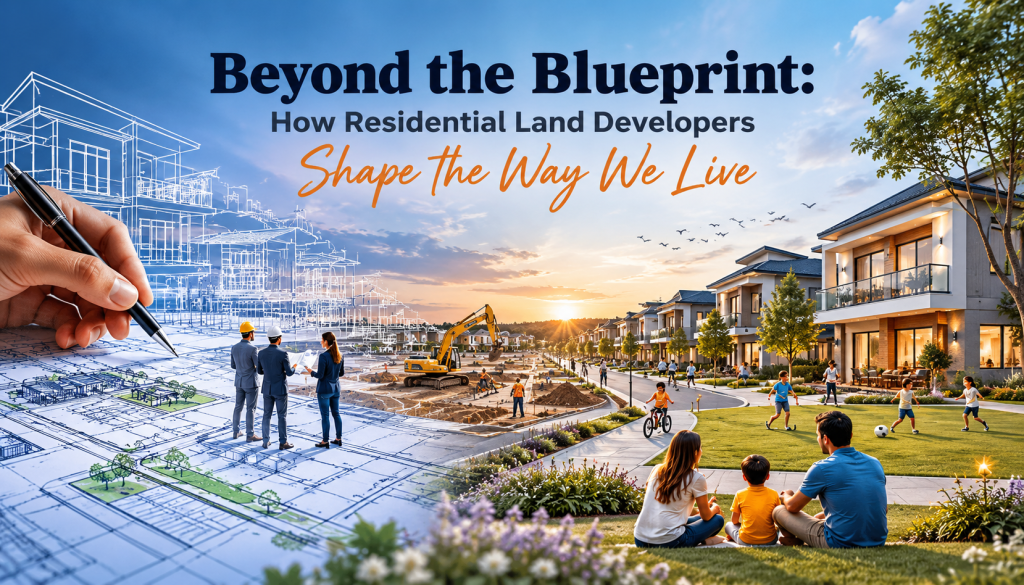
Buying a home is often described as one of life’s biggest milestones. People imagine the finished product — a peaceful neighborhood, tree-lined streets, nearby schools, and a place where families can grow comfortably. What many don’t think about is the long process that happens before the first house is ever built. Behind every thriving community is a team responsible for transforming empty land into a livable environment. That’s where residential land developers play a crucial role.
These professionals are not simply involved in construction. Their work begins much earlier and influences nearly every aspect of how a neighborhood functions. From planning roads and drainage systems to considering schools, parks, and accessibility, they help create spaces that support everyday life. In many ways, they shape the foundation of future communities.
Understanding the Role of Residential Land Developers
At first glance, undeveloped land may appear full of possibilities. However, turning a vacant plot into a successful residential area requires detailed planning, legal approvals, financial coordination, and long-term vision. Residential land developers oversee this transformation from start to finish.
Their responsibilities often include purchasing land, studying environmental conditions, obtaining permits, working with local authorities, and preparing the land for construction. This preparation may involve building roads, setting up water and sewage systems, ensuring electrical connectivity, and designing public spaces.
Without this groundwork, builders cannot move forward effectively. Developers create the infrastructure that allows neighborhoods to become functional and sustainable places for people to live.
Why Their Work Matters More Than Ever
Cities are growing rapidly, and populations continue to increase in suburban and urban areas alike. As demand for housing rises, thoughtful land development becomes increasingly important. Poorly planned neighborhoods can lead to overcrowding, traffic congestion, flooding issues, and limited access to essential services.
Well-planned residential developments, on the other hand, improve quality of life. They create organized spaces where transportation, utilities, education, healthcare, and recreation are easier to access. Good development planning also helps maintain environmental balance by preserving green spaces and managing natural resources responsibly.
In many modern communities, developers are expected to think beyond housing alone. Buyers today look for convenience, safety, connectivity, and a sense of belonging. Communities designed with these priorities in mind tend to attract long-term residents and maintain stronger property values over time.
The Process Behind Building a Community
The development process is much more complex than many people realize. It often takes years before a project is completed and residents begin moving in.
The first step usually involves identifying suitable land. Developers analyze location advantages, market demand, transportation access, and future growth potential. A site near schools, hospitals, workplaces, and public transport often becomes more desirable for future homeowners.
Once land is selected, feasibility studies begin. Experts evaluate environmental conditions, soil quality, water availability, zoning regulations, and infrastructure requirements. This stage is critical because overlooking even one issue can create major complications later.
After securing approvals from local authorities, developers move into the planning phase. Urban planners, engineers, architects, and surveyors collaborate to design the layout of roads, residential plots, parks, drainage systems, and utility networks.
Only after this preparation does physical development begin. Roads are built, utilities are installed, and plots are prepared for residential construction. In some projects, developers also coordinate amenities such as clubhouses, playgrounds, and community centers to enhance livability.
Creating Communities, Not Just Properties
One of the biggest shifts in modern residential development is the focus on community living rather than isolated housing projects. Buyers no longer want only a house; they want an environment that supports their lifestyle.
This has encouraged developers to include more thoughtful features within residential areas. Walking paths, green parks, sports facilities, and open recreational spaces are now considered valuable additions rather than optional extras.
Mixed-use planning is also becoming more common. Instead of separating homes from commercial and social spaces, newer developments often integrate convenience stores, schools, healthcare facilities, and entertainment zones within easy reach. This reduces travel time and encourages stronger neighborhood interaction.
A well-designed residential area can positively influence daily routines, social relationships, and even mental well-being. People tend to feel more connected when they live in spaces that encourage outdoor activity and community engagement.
Sustainability Is Changing the Industry
Environmental awareness has significantly changed the way residential projects are planned. Today’s developers face increasing pressure to adopt sustainable practices that reduce environmental impact while supporting long-term growth.
This includes preserving natural landscapes, improving water management systems, using energy-efficient infrastructure, and integrating eco-friendly designs wherever possible. Rainwater harvesting, solar lighting, waste management systems, and green building concepts are becoming more common in newer developments.
Sustainable planning is no longer only about environmental responsibility. It also makes practical sense. Efficient infrastructure can lower maintenance costs, reduce utility consumption, and improve resilience against climate-related challenges such as flooding or extreme heat.
Communities built with sustainability in mind often become more attractive to buyers who are increasingly conscious about environmental impact and long-term living costs.
Challenges Faced by Residential Land Developers
While the final result may appear polished and organized, the development journey is often filled with challenges.
One of the biggest obstacles involves navigating regulations and approvals. Land development projects typically require permissions from multiple government departments, and delays can significantly affect timelines and budgets.
Infrastructure costs also continue to rise. Preparing land for residential use involves substantial investment in roads, drainage systems, utility connections, and environmental compliance measures.
Market conditions can create additional uncertainty. Economic fluctuations, changing buyer preferences, and rising construction costs may affect demand and project profitability.
Environmental concerns also play a larger role than they did in previous decades. Developers must carefully balance growth with ecological preservation, especially in areas prone to environmental risks.
Despite these challenges, experienced developers understand how to adapt to changing conditions while maintaining long-term project viability.
How Buyers Benefit From Thoughtful Development
For homebuyers, the quality of land development has a direct impact on everyday living. A visually attractive property may still become frustrating if the surrounding infrastructure is poorly planned.
Reliable roads, drainage systems, public utilities, green spaces, and transportation access all contribute to a better residential experience. Communities developed with long-term planning often experience fewer issues related to overcrowding and maintenance.
Safety is another important factor. Proper street layouts, lighting, emergency access, and organized public areas help create safer environments for families and children.
In addition, thoughtfully planned neighborhoods tend to maintain stronger property appreciation over time. Buyers are more likely to invest in areas that offer convenience, accessibility, and future growth potential.
The Future of Residential Development
Technology is beginning to reshape how residential communities are planned and managed. Smart infrastructure, digital planning tools, and data-driven decision-making are helping developers improve efficiency and predict future needs more accurately.
Future residential projects are expected to place greater emphasis on walkability, public transport integration, energy efficiency, and flexible community spaces. As urban populations continue to grow, balancing density with livability will become one of the industry’s biggest priorities.
Remote work trends may also influence future developments. More buyers now seek neighborhoods that combine residential comfort with access to workspaces, digital connectivity, and lifestyle amenities.
At the same time, climate resilience will likely become a central focus. Developers may increasingly prioritize flood-resistant infrastructure, renewable energy systems, and environmentally adaptive planning techniques.
Final Thoughts
Residential land developers do far more than prepare land for housing. They influence how communities function, grow, and evolve over time. Their decisions affect transportation, accessibility, sustainability, safety, and overall quality of life for future residents.
The next time someone drives through a well-planned neighborhood or enjoys the convenience of nearby parks, schools, and services, it’s worth recognizing the extensive planning that made it possible. Strong communities rarely happen by accident. They are carefully designed through vision, collaboration, and long-term thinking.
As cities expand and housing demands continue to rise, the role of residential land developers will remain essential in shaping healthier, more connected, and more sustainable places to live.