
From Vacant Land to Vibrant Communities: How Residential Development Works
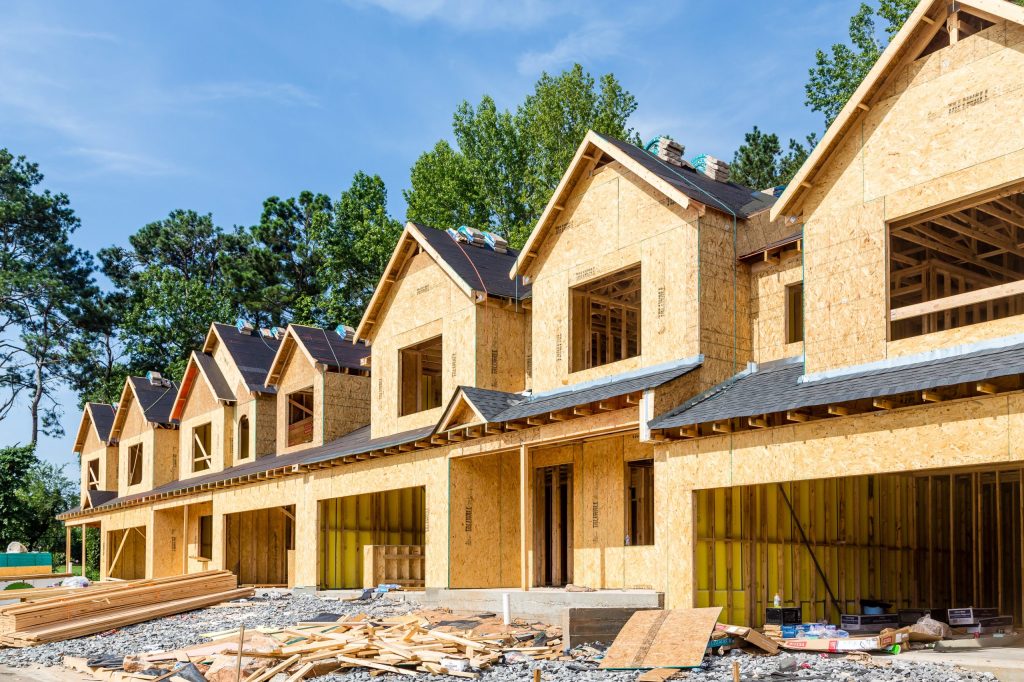
Somewhere on the edge of nearly every growing city, there’s a stretch of empty field, an old ranch, or an overgrown lot that most people drive past without a second thought. A few years later, that same patch of ground might be full of new homes, sidewalks, streetlights, and families moving in moving trucks on a Saturday morning. What happened in between is one of the least understood — and most heavily regulated — processes in the entire real estate industry: residential land development.
Turning raw acreage into a finished neighborhood isn’t a single event. It’s a long sequence of legal, financial, and technical steps, each one dependent on the last, that can take anywhere from twelve months to several years depending on the site, the jurisdiction, and how much infrastructure already exists. Understanding that sequence explains a lot about why some communities seem to pop up overnight while others sit fenced off and undeveloped for years.
It All Starts With the Right Piece of Land
Before any regulatory process begins, a developer has to find land worth developing in the first place — and that’s a more complicated question than it sounds. A good site needs more than open space. It needs proximity to existing infrastructure, realistic access to roads, a location that makes sense for future buyers, and, critically, a real chance of getting through the approval process in a reasonable amount of time.
This is why experienced developers spend so much time on due diligence before ever closing on a property. That typically includes a site survey, a geotechnical analysis of the soil, an environmental assessment, and a hard look at current zoning to understand what’s actually allowed to be built there. Land that looks perfect for a subdivision can turn out to sit in a floodplain, lack sewer access, or carry environmental restrictions that make development far more expensive than it first appears. Skipping this step is one of the most common — and costly — mistakes in the industry.
Entitlement: Where the Real Work Begins
Once land is acquired, it enters what the industry calls the entitlement process — the legal and administrative work required to convert raw land into a parcel that’s actually approved for the kind of development being proposed. For land that’s already zoned correctly and already served by nearby infrastructure, entitlement might be relatively quick. For raw land at the edge of a city, it can take years.
Zoning and rezoning. Every parcel of land carries a zoning designation that dictates what can legally be built on it — residential, commercial, industrial, or something more specific like single-family versus multifamily housing. If a developer’s plans don’t match the current zoning, they’ll need to apply for a rezoning, a zoning variance, or in some cases a conditional use permit. Rezoning in particular often requires public hearings before a planning commission and, ultimately, a city council or county commission — a process that can move quickly when a project has community support, or drag on for months when it doesn’t. Organized neighborhood opposition, even against a project that technically complies with local code, is one of the most common reasons a timeline stretches far beyond what a developer originally planned.
Subdivision and platting. Before a large parcel can be sold or built on as individual home lots, it has to be legally subdivided — a process known as platting. This step comes with its own engineering, infrastructure, and design standards, and the resulting plat has to be recorded with the local county before any individual lot can be sold as its own legal parcel. In practice, this means no homes can technically be sold in a new subdivision until the plat is finalized and on record, no matter how far along construction might otherwise be.
Infrastructure and utility approvals. Somewhere along the way, a developer has to prove that essential services — water, sewer, electricity, gas, and often broadband — can actually reach the site. If those utilities aren’t already in place, the developer may be required to extend lines, build new roads, dedicate parkland, or pay impact fees as a condition of approval. These infrastructure requirements are frequently where budgets get tested; a jurisdiction can require improvements far beyond what a developer initially budgeted for, especially on land at the outer edge of a city’s existing utility network.
Environmental review. Depending on the jurisdiction and the site’s characteristics, developers may also need to complete environmental review documentation, addressing everything from wetlands and endangered species habitat to stormwater runoff and flood risk. This step protects both the environment and future homeowners, but it can add significant time to a project’s overall schedule.
Engineering the Ground Itself
Once the legal and regulatory groundwork is in place, attention shifts to the physical land itself. Civil engineers design the grading, drainage, and road layout that will eventually support an entire neighborhood — work that has to account for how water will move across the site during a heavy storm, how steep or flat the terrain needs to be graded, and how streets will connect to the surrounding road network.
This phase also includes installing the underground infrastructure that most future residents will never think about: water mains, sewer lines, storm drains, and electrical conduit, all laid before a single foundation is poured. Getting this stage right matters enormously, because mistakes here — a drainage system that can’t handle a major storm, for instance — are far more expensive to fix once homes and streets are built on top of them.
From Finished Lots to Finished Homes
Once roads, utilities, and drainage are in place and inspected, the raw land has officially become a set of finished, buildable lots — and this is often the point at which a land developer’s role ends and a homebuilder’s role begins. Builders purchase these finished lots and begin constructing the actual homes buyers will eventually move into, following the same building permit and inspection process that governs any individual home construction project.
It’s worth noting that these two roles — the land developer and the homebuilder — are frequently different companies with very different areas of expertise. Land development requires deep knowledge of civil engineering, entitlement law, and municipal processes. Homebuilding requires expertise in construction, design, and sales. Many of the most successful development companies specialize specifically in the land side of that equation, delivering finished lots to established homebuilders rather than constructing homes themselves.
Why This Process Takes So Long
For anyone outside the industry, it can be surprising just how long the full journey from raw land to occupied homes actually takes — often twelve to twenty-four months at a minimum, and considerably longer for larger or more contested projects. That timeline isn’t the result of inefficiency. It reflects a genuinely sequential process: a building permit can’t be issued without site plan approval, site plans can’t be finalized without engineering approval, engineering can’t proceed without entitlement, and entitlement can’t happen until zoning and environmental questions are resolved. Each step depends on the one before it, which means delays early in the process ripple forward through everything that follows.
Rising infrastructure costs, more complex environmental requirements, and, in many markets, organized community opposition to new housing have all added time and expense to a process that was already inherently long. It’s part of why experienced land developers — the ones who understand which parcels have a realistic path through entitlement and which don’t — tend to create disproportionate value in this industry. Navigating that complexity well is a skill in itself, separate from simply owning land or having capital to invest.
The Payoff: A Place People Actually Want to Live
Despite how technical and bureaucratic the process can be, the end result is something much more human: a place where people build their lives. New sidewalks fill with kids on bikes. Cul-de-sacs host block parties. A patch of land that once sat empty and unremarkable becomes the backdrop for decades of ordinary, meaningful life.
That transformation is the entire point of residential development, even though most of the work that makes it possible happens years before anyone moves in — in zoning meetings, engineering drawings, and infrastructure permits that most future residents will never see or think about. Understanding that process doesn’t just satisfy curiosity about how a neighborhood came to be. It offers a genuine appreciation for how much coordinated effort goes into turning vacant land into somewhere people are proud to call home.