
Why Strategic Land Development Matters for San Antonio’s Residential Communities
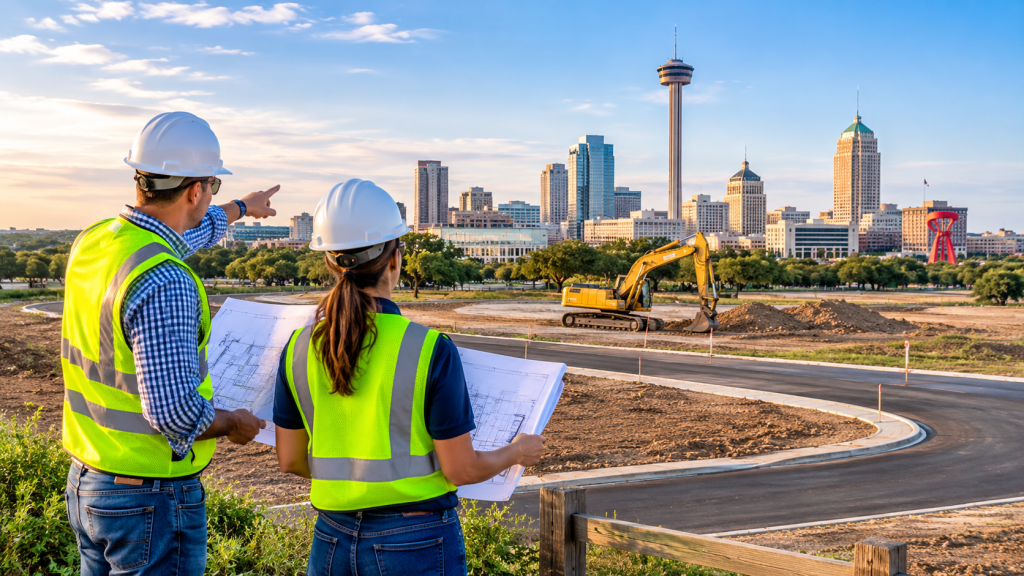
San Antonio, Texas, continues to evolve as new residential communities, commercial developments, and infrastructure projects shape the city’s landscape. As the region grows, undeveloped properties are becoming important opportunities for future investment and construction. However, transforming raw land into functional spaces requires careful planning, technical expertise, and effective project coordination.
Professional land development services play an important role in this process. From evaluating property conditions to preparing construction-ready lots, experienced development teams help property owners and investors turn land into practical opportunities. Their work supports organized growth while ensuring that development projects are planned with long-term needs in mind.
1. Supporting the Expansion of Residential Communities
One of the major contributions of land development is preparing properties for new residential communities. As housing demand and development activity change across San Antonio, suitable land needs to be evaluated and prepared before home construction can begin.
Residential land development involves much more than dividing a property into individual lots. It includes planning road networks, arranging utility connections, managing drainage, and creating layouts that support convenient access.
Professional development teams help coordinate these activities so that finished lots meet the necessary requirements for future construction. Well-planned residential subdivisions can also provide homebuilders with more organized opportunities to develop housing projects.
2. Turning Raw Land into Construction-Ready Property
Undeveloped land often requires several improvements before it can support residential or commercial construction. The property’s natural condition, location, access, and available utilities all influence the preparation process.
Professional land development services help identify what needs to be completed before construction begins. Common activities include:
- Land surveying and site evaluation.
- Clearing and grading.
- Soil and environmental assessments.
- Road and access planning.
- Water and wastewater infrastructure.
- Stormwater drainage solutions.
- Utility coordination.
Completing these activities in a planned sequence helps reduce uncertainty and makes the property more suitable for its intended purpose.
3. Improving Infrastructure and Accessibility
Infrastructure is essential for making a development functional. Roads, drainage systems, water services, electricity, and other utilities must be considered during the planning stage.
For example, a residential subdivision needs a practical road layout that allows residents, visitors, and service vehicles to move safely. Similarly, drainage systems must be designed to manage stormwater and reduce the risk of water accumulation.
Professional engineers and development managers coordinate infrastructure requirements with the overall site plan. This helps ensure that different improvements work together rather than creating problems during later construction stages.
In a growing city like San Antonio, thoughtful infrastructure planning can help new developments connect more effectively with surrounding areas.
4. Helping Property Owners Navigate Regulations
Land development projects must follow applicable zoning, subdivision, environmental, and construction requirements. These regulations influence how a property can be used and what approvals may be necessary before development begins.
Property owners may need to review zoning classifications, access requirements, lot dimensions, drainage standards, and other local development guidelines.
Professional development teams help organize the information required for planning and approval processes. They can also coordinate with engineers, surveyors, consultants, and relevant authorities to address project requirements.
Understanding regulations early is important because unresolved approval issues can affect construction schedules and project budgets.
5. Encouraging Better Land Use Through Strategic Planning
Effective land development is not simply about using every available portion of a property. It is about creating a layout that balances development potential, infrastructure needs, accessibility, and surrounding land uses.
Strategic planning helps determine how roads, lots, open spaces, and utility areas should be arranged. It also considers how the proposed project may fit into the existing neighborhood and support future development.
For larger properties, phased development can be a practical approach. Instead of completing every improvement at once, the project can be divided into stages based on infrastructure requirements, available resources, and construction priorities.
This structured approach can make complex projects easier to coordinate and manage.
6. Managing Costs, Timelines, and Project Risks
Land development involves several financial and operational considerations. Expenses may include surveying, engineering, permits, site preparation, infrastructure installation, and construction management.
Without proper planning, unexpected site conditions or changes in project requirements can increase costs and delay progress.
Professional development services help property owners establish realistic project plans. Feasibility assessments can identify potential challenges, while coordinated project management helps monitor budgets, schedules, and construction activities.
Although every development project has different requirements, identifying risks early can support better decision-making and reduce avoidable complications.
7. Creating Opportunities for Homebuilders and Investors
Finished lots can provide valuable opportunities for homebuilders because essential site preparation and infrastructure work have already been addressed. Instead of beginning with undeveloped land, builders can focus on planning and constructing homes within an established development framework.
For property owners and investors, preparing land for its intended market may also improve its usefulness and commercial potential.
In San Antonio, residential development opportunities can vary depending on location, access to services, surrounding communities, and local demand. Researching these factors helps determine whether a proposed project has a realistic opportunity for success.
Professional guidance can help align the development strategy with the property’s characteristics and the needs of potential buyers or builders.
8. Supporting Sustainable, Long-Term Growth
The impact of land development extends beyond the completion of an individual project. Well-planned communities and infrastructure can contribute to how surrounding areas function over time.
Long-term considerations include effective drainage, reliable utility systems, practical road connections, and layouts that support the intended use of the property.
Development professionals must consider how these elements will perform after construction is completed. A project that focuses only on immediate building requirements may overlook issues that affect future residents, property owners, and maintenance responsibilities.
A forward-looking approach helps create developments that are functional, organized, and better prepared for future needs.
Conclusion
Professional land development services are an important part of San Antonio’s changing landscape. By combining site evaluation, strategic planning, infrastructure coordination, regulatory knowledge, and project management, development professionals help transform undeveloped properties into valuable opportunities.
For property owners, investors, and homebuilders, the right development approach can make complex projects more manageable and support better long-term decisions.
As San Antonio continues to grow, well-planned land development will remain essential to preparing residential communities, supporting construction activity, and creating properties that meet the needs of future generations.